
Shoestring budget backpacking tips unlock incredible adventures without breaking the bank. This guide reveals how to plan meticulously, find affordable accommodation and transportation, eat well on a tight budget, and enjoy free or low-cost activities. We’ll explore smart strategies for staying safe and healthy, discover budget-friendly destinations brimming with culture, and uncover hidden gems in bustling cities. Prepare for an enriching and affordable journey.
From meticulously planned itineraries and essential packing lists tailored to diverse climates, to leveraging last-minute deals and navigating public transport in foreign lands, this comprehensive guide empowers you to maximize your backpacking experience while minimizing expenses. Learn to cook nutritious meals, uncover free activities, and prioritize safety without compromising the adventure.
Planning a Shoestring Budget Backpacking Trip
Planning a backpacking trip on a shoestring budget requires meticulous preparation and resourcefulness. This involves careful consideration of travel dates, destination selection, accommodation choices, and daily spending habits. By strategically planning each aspect, you can significantly reduce costs without compromising the quality of your experience.
A 10-Day Backpacking Itinerary in Southeast Asia ($500 Budget)
This itinerary focuses on Thailand, known for its affordability and diverse offerings. This budget assumes a daily spending limit of approximately $50, excluding international flights. Adjustments can be made depending on your preferred activities and travel style. Remember that prices can fluctuate, so this is an estimate.
| Day | Location | Activities | Estimated Cost |
|---|---|---|---|
| 1-3 | Bangkok | Explore temples (Wat Arun, Wat Pho), street food markets, river cruise. | $150 (Accommodation: $30/night, Food: $20/day, Activities: $20) |
| 4-6 | Chiang Mai | Visit Doi Suthep temple, explore the old city, cooking class. | $150 (Transportation: $30, Accommodation: $20/night, Food: $20/day, Activities: $20) |
| 7-9 | Krabi/Railay Beach | Relax on the beach, rock climbing (optional), island hopping (longtail boat). | $100 (Transportation: $30, Accommodation: $20/night, Food: $20/day, Activities: $10) |
| 10 | Travel Day | Travel back to Bangkok for departure. | $0 (assuming pre-booked transportation) |
Essential Packing Lists for Different Climates
Packing light is crucial for backpacking. Prioritize versatile items that can be layered to adapt to changing weather conditions. The following lists cater to different climates commonly encountered in Southeast Asia.
Choosing the right clothing depends heavily on the time of year and specific region you’ll be visiting. Consider researching the average temperatures and rainfall for your chosen destinations before finalizing your packing list.
- Tropical Climate: Lightweight cotton shirts (3), quick-drying shorts (2), breathable hiking pants (1), swimwear (1), sandals, flip-flops, rain jacket, lightweight towel.
- Subtropical Climate: Lightweight long-sleeved shirts (2), quick-drying pants (2), light fleece jacket, rain jacket, hiking boots, comfortable walking shoes, swimwear (1).
- Temperate Climate (high altitudes): Layers are key: thermal underwear (top and bottom), lightweight fleece jacket, waterproof and windproof jacket, hiking pants, hiking boots, warm socks.
- Desert Climate: Lightweight, loose-fitting clothing that covers most of your skin, wide-brimmed hat, sunglasses, sunscreen, scarf, light hiking boots.
- Monsoon Season: Waterproof and windproof jacket, quick-drying clothing, lightweight towel, waterproof bags for electronics.
Sample Spreadsheet for Tracking Daily Expenses
Tracking expenses diligently is essential for staying within your budget. A simple spreadsheet can help you monitor your spending and identify areas where you can save.
Using a spreadsheet allows for easy calculation of your remaining budget, and highlights potential overspending early on. This helps you make informed decisions about your spending and ensures you don’t exhaust your funds prematurely.
| Date | Category | Item | Amount (USD) | Notes |
|---|---|---|---|---|
| Oct 26 | Accommodation | Hostel | 10 | Clean and centrally located |
| Oct 26 | Food | Street food | 5 | Delicious and cheap Pad Thai |
| Oct 27 | Transportation | Bus | 2 | Local bus to the temple |
| Oct 27 | Activities | Temple Entrance | 3 | Worth the visit |
Shopping Travel Guides for Budget Travelers
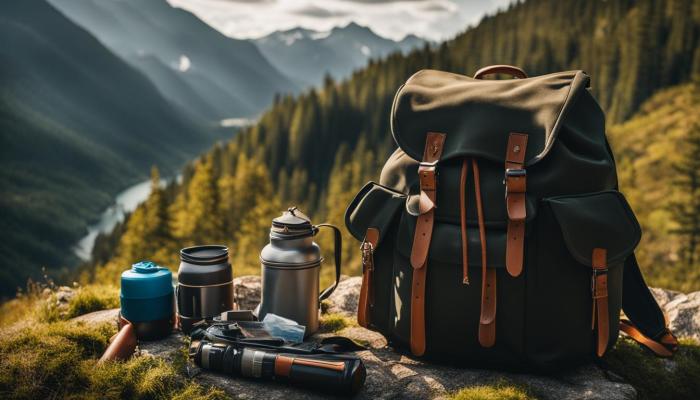
Souvenir shopping can significantly impact your backpacking budget. Smart choices, however, can allow you to bring home unique mementos without breaking the bank. This guide focuses on navigating local markets and avoiding tourist traps to find affordable and authentic souvenirs. Responsible shopping practices are also emphasized to ensure a positive impact on the local communities you visit.Finding unique and affordable souvenirs requires a strategic approach.
Tourist shops, while convenient, often inflate prices. Local markets, on the other hand, offer a more authentic and budget-friendly experience. By understanding the nuances of market shopping and practicing responsible consumerism, you can acquire memorable items without compromising your travel funds.
Navigating Local Markets for Affordable Souvenirs
Local markets are treasure troves of unique and affordable souvenirs. These markets often offer handcrafted items, locally produced goods, and items not found in tourist shops. To maximize your shopping experience, arrive early to avoid crowds and secure the best selection. Engage in friendly bargaining, but always be respectful of the seller’s pricing. Remember that a fair price benefits both you and the seller.
Observe other shoppers; their interactions can provide insights into acceptable bargaining ranges.
Identifying and Avoiding Tourist Traps
Tourist traps often feature mass-produced items at inflated prices. These shops are easily identified by their prominent locations near popular tourist attractions. Their merchandise often lacks authenticity and cultural significance. Avoid shops with fixed prices and aggressive salespeople. Instead, venture into side streets and explore lesser-known areas to discover hidden gems and genuine local crafts.
Look for smaller, family-run businesses offering handcrafted items, as they often provide better value and a more authentic experience.
Responsible Shopping Practices for Budget Travelers
Responsible shopping involves making conscious choices that support local economies and minimize environmental impact. By purchasing directly from artisans and local producers, you contribute directly to their livelihoods and help preserve traditional crafts. Opt for sustainable and ethically sourced products. Avoid items made from endangered materials or those produced through unsustainable practices. Consider the longevity and practicality of your purchases; buying items you will truly cherish and use avoids unnecessary waste.
Supporting local businesses not only provides unique souvenirs but also fosters a more meaningful connection with the local culture. For example, choosing hand-woven textiles from a local artisan instead of a mass-produced item from a large chain store directly supports the artisan’s community and preserves traditional skills. Similarly, purchasing fair-trade coffee beans from a local cooperative supports sustainable farming practices and fair wages for the farmers.
Urban Architecture Tours on a Budget
Exploring a city’s architectural landscape can be a captivating and enriching experience, even on a shoestring budget. Self-guided walking tours offer a flexible and cost-effective way to discover hidden gems and iconic structures, while free or low-cost guided tours provide expert insights without breaking the bank.Self-guided walking tours allow for personalized exploration at your own pace. By utilizing readily available resources such as city maps, architectural guides, and online resources, you can curate a unique itinerary that caters to your interests.
Designing a Self-Guided Walking Tour of Chicago’s Architecture
This example focuses on Chicago, a city renowned for its impressive architectural heritage. A self-guided tour could begin at the Chicago Cultural Center, a stunning example of Beaux-Arts architecture with its Tiffany glass dome. From there, you could walk south along Michigan Avenue, admiring the Art Deco skyscrapers and the contrasting modern glass towers. A stroll through the Loop would reveal the architectural styles of the early 20th century, including the Chicago Board of Trade Building, a striking example of early skyscraper design.
Continuing westward, you could explore the unique architecture of the West Loop, featuring repurposed industrial buildings and contemporary designs. The tour could conclude at Millennium Park, admiring the iconic Cloud Gate (“The Bean”) sculpture, a modern architectural marvel. Along the way, pausing to take photos and read informational plaques enhances the experience, providing historical context and architectural details.
The entire tour could easily be completed within a few hours, depending on your pace and interests.
Resources for Finding Free or Low-Cost Guided Walking Tours
Numerous organizations and local groups offer free or low-cost guided walking tours focused on urban architecture. These tours are often led by passionate architecture enthusiasts, historians, or students, providing valuable insights and perspectives. Websites like Eventbrite and Meetup often list such tours, allowing you to search by city and topic. Many cities also have tourism websites that list free walking tours, including those focused on specific architectural styles or historical periods.
Local universities or colleges may also offer free or low-cost walking tours led by faculty or students. Finally, checking with local libraries or historical societies can uncover hidden gems – often offering free walking tours or providing materials to help you plan your own self-guided tour. These resources provide a diverse range of options to discover the architectural wonders of any city affordably.
Street Food and Markets in Urban Areas
Exploring the vibrant street food scene and bustling markets of a city offers a unique and immersive cultural experience. It’s a chance to connect with the local community, sample authentic cuisine, and discover hidden culinary gems often missed by tourists sticking to traditional restaurants. This guide focuses on Bangkok, Thailand, a city renowned for its incredible street food diversity and lively markets.Bangkok’s street food and markets are deeply intertwined with its history and culture.
For centuries, these markets have served as vital community hubs, providing fresh produce, daily necessities, and a place for social interaction. The sheer variety of food available reflects the city’s diverse population and influences from across Southeast Asia. Street food, in particular, is a testament to the ingenuity and resourcefulness of Bangkok’s vendors, who create delicious and affordable meals using readily available ingredients.
The vibrant atmosphere of these markets is a sensory overload – a kaleidoscope of colors, smells, and sounds that encapsulates the heart of Bangkok.
Must-Try Dishes in Bangkok’s Street Food Scene
Bangkok offers a plethora of culinary delights. From savory curries to sweet desserts, the variety is astounding. Many dishes are prepared fresh to order, ensuring optimal flavor and quality. Vendors often display their wares attractively, making choosing a meal a visually appealing experience as well.
- Pad Thai: This iconic Thai noodle dish is a must-try. The stir-fried rice noodles are typically seasoned with tamarind paste, fish sauce, and palm sugar, and often include shrimp, chicken, or tofu. The dish is typically served with crushed peanuts and lime wedges.
- Green Curry: A fragrant and flavorful curry featuring coconut milk, green chilies, and a variety of vegetables and proteins, often chicken or seafood. The intensity of the spice can vary depending on the vendor.
- Mango Sticky Rice: A classic Thai dessert featuring sweet sticky rice served with fresh mango slices and coconut milk. It’s a delightful combination of sweet and creamy textures.
- Som Tum (Green Papaya Salad): This refreshing salad combines shredded green papaya with tomatoes, peanuts, chilies, and lime juice. The balance of sweet, sour, spicy, and salty flavors is captivating.
Navigating Bangkok’s Markets Safely
While Bangkok’s markets are generally safe, it’s essential to exercise caution and common sense. Being aware of your surroundings and taking basic safety precautions will enhance your experience.
- Be mindful of your belongings: Pickpocketing can occur in crowded areas. Keep valuables close and be aware of your surroundings.
- Negotiate prices respectfully: Bargaining is common in many markets. Start with a lower offer than you’re willing to pay and work your way up respectfully.
- Choose reputable vendors: Opt for stalls with many customers and a high turnover of food. This often indicates freshness and quality.
- Be cautious about food hygiene: Look for vendors who maintain clean food preparation areas and use fresh ingredients. Avoid eating anything that looks questionable.
- Stay hydrated: The Bangkok heat can be intense. Carry a water bottle and stay hydrated throughout your market exploration.
Cultural Significance of Bangkok’s Street Food and Markets
Bangkok’s street food and markets are more than just places to eat and shop; they are integral to the city’s social fabric. They are places where people from all walks of life come together, creating a vibrant and dynamic atmosphere. The markets serve as social spaces, fostering a sense of community and shared experience. The food itself reflects Thailand’s rich culinary heritage and its diverse cultural influences, creating a unique and delicious representation of the city’s identity.
The bustling energy and sensory richness of these spaces are undeniably a key part of what makes Bangkok so captivating.
City Travel Hacks for Budget Travelers
Navigating bustling cities on a shoestring budget requires strategic planning and a willingness to embrace unconventional approaches. These hacks focus on minimizing expenses and maximizing your experience, ensuring you see the best of a city without breaking the bank. They combine practical tips with a focus on resourcefulness and smart decision-making.
Free Walking Tours and Alternative Sightseeing
Many cities offer free walking tours, often relying on tips from satisfied participants. These tours provide a fantastic introduction to a city’s history, culture, and hidden gems. Alternatively, explore neighborhoods on foot, discovering local markets, parks, and unique architectural details independently. This method offers a more personalized and budget-friendly approach compared to organized paid tours.
Utilizing Public Transportation
Public transportation systems, including buses, subways, and trams, are generally far more affordable than taxis or ride-sharing services. Purchase day passes or multi-day passes for even greater savings. Familiarize yourself with the city’s public transportation map before your trip to plan your routes efficiently. For example, in London, the Oyster card provides significant cost savings over individual fare payments.
Finding Affordable Accommodation
Consider alternatives to traditional hotels. Hostels offer budget-friendly dorm rooms and private rooms, often with communal kitchens allowing for self-catering, reducing food expenses. Websites and apps dedicated to finding affordable accommodation, such as Airbnb or Booking.com, can offer a wider range of choices, including apartments or rooms in private homes.
Taking Advantage of Free Activities
Many cities offer a wealth of free activities. Museums often have free admission days or evenings. Parks and gardens provide opportunities for relaxation and scenic views without any cost. Exploring local markets and observing street performers offers a vibrant and free cultural immersion. For instance, many museums in Paris offer free admission on certain days of the month.
Eating Like a Local
Avoid tourist traps and embrace local cuisine. Street food markets offer delicious and inexpensive meals. Smaller, family-run restaurants often provide more authentic and affordable options compared to larger, more established eateries. Packing snacks and drinks can further reduce food costs throughout the day.
Leveraging Free Wi-Fi
Minimize roaming charges by utilizing free Wi-Fi hotspots. Many cafes, libraries, and public spaces offer free internet access. Download offline maps and travel guides before your trip to avoid data usage while exploring.
Packing Light
Packing light reduces the likelihood of checked baggage fees and makes navigating public transport significantly easier. Choose versatile clothing items that can be mixed and matched to create various outfits. This also simplifies your travel logistics and reduces the potential for lost luggage.
Booking in Advance (Strategically)
While last-minute deals can sometimes appear, booking flights and accommodation in advance often yields better prices, especially during peak season. However, flexibility is key; exploring prices across different dates and times can reveal unexpected savings.
Exploring Local Markets for Souvenirs
Instead of buying souvenirs from tourist shops, explore local markets. These markets offer unique, handcrafted items at significantly lower prices than tourist-oriented stores. This provides a more authentic shopping experience and supports local artisans.
Taking Advantage of City Passes
Many cities offer city passes that provide access to multiple attractions and public transportation at a discounted rate. Carefully compare the cost of the pass to the individual prices of the attractions you plan to visit to determine if it offers genuine value. For example, a New York CityPASS can offer savings on major attractions like the Empire State Building and the Statue of Liberty.
Metro Adventures on a Budget
Navigating a city’s metro system can be a thrilling and cost-effective way to explore, offering a unique perspective on urban life while significantly reducing transportation expenses compared to taxis or ride-sharing services. This is especially true for budget-conscious backpackers, allowing them to allocate more funds towards experiences and less on getting around. This section will focus on the experience of using the London Underground (the Tube) as a case study, highlighting its affordability and efficiency.The London Underground, with its extensive network spanning across the city, provides a remarkably affordable and efficient way to travel.
A single journey can cost significantly less than other transport options, and day or multi-day passes offer even greater savings for frequent users. The system’s density and frequency of trains mean that waiting times are generally short, making it a quick and convenient mode of transport, even during peak hours. This efficiency allows backpackers to maximize their time exploring the city’s various attractions, rather than being stuck in traffic or waiting for buses.
Navigating the London Underground
Efficient and safe navigation of the London Underground is crucial for a smooth and enjoyable experience. Understanding the system’s map, which uses color-coded lines to represent different routes, is paramount. Each station is clearly marked with signage indicating the lines and directions of travel. Passengers can plan their journeys in advance using the official Transport for London (TfL) website or app, which provides real-time updates on train schedules and potential delays.
This pre-planning significantly reduces the risk of getting lost or missing connections.
Safety Measures on the London Underground
Safety is a top priority when using any public transportation system. The London Underground employs a range of security measures, including CCTV cameras throughout stations and trains, as well as a visible presence of Transport Police officers. Passengers are advised to be aware of their surroundings, avoid displaying expensive items ostentatiously, and report any suspicious activity to staff or authorities immediately.
Staying vigilant and adhering to basic safety precautions will contribute to a safe and enjoyable journey.
Affordability of the London Underground
The cost-effectiveness of the London Underground is a major draw for budget travelers. Single fares are relatively inexpensive, particularly when compared to taxis or private hire vehicles. Furthermore, day or weekly travelcards offer substantial savings for those planning to use the system frequently. These passes provide unlimited travel within specified zones, making them an attractive option for exploring different parts of the city.
For example, a day travelcard covering zones 1-2, which encompasses most central London, is considerably cheaper than multiple single fares for the same amount of travel. This allows backpackers to allocate their limited budget more effectively, focusing on other aspects of their trip.
Skyscraper Destinations and Budget-Friendly Views
Exploring towering skyscrapers and breathtaking cityscapes doesn’t have to break the bank. Many cities boast stunning skylines, offering a variety of affordable options to witness their architectural grandeur. This section highlights five such cities and suggests ways to enjoy their impressive views without emptying your wallet.Many travelers assume that enjoying iconic skyline views requires expensive observation decks. However, resourceful planning can uncover surprisingly affordable, and sometimes even free, alternatives.
By combining strategic planning with a little creativity, you can experience the magic of a city’s skyline without sacrificing your budget.
Five Cities with Impressive Skylines and Budget-Friendly Viewpoints
The following cities offer a blend of iconic skyscrapers and opportunities for budget-conscious sightseeing. Each offers unique vantage points that won’t require a significant financial commitment.
- New York City, USA: While the Top of the Rock and Empire State Building offer incredible views, they come with a price tag. Consider exploring Brooklyn Bridge Park for panoramic views of the Manhattan skyline, especially stunning at sunset. Alternatively, the free Staten Island Ferry offers a fantastic, albeit somewhat distant, perspective. The rooftop bars in Brooklyn often have happy hour deals, providing a more intimate, affordable skyline experience.
- Hong Kong, China: Victoria Peak offers breathtaking views, but the tram ride and observation deck can be expensive. Instead, explore the many free viewpoints along the waterfront, such as the Tsim Sha Tsui Promenade. This area provides stunning nighttime views of the Hong Kong Island skyline, particularly impressive when illuminated. Look for affordable restaurants and bars in the area with outdoor seating for a budget-friendly alternative.
- Dubai, UAE: The Burj Khalifa’s observation deck is renowned, but pricey. Consider exploring the Dubai Marina Walk, offering excellent views of the city’s impressive skyscrapers, particularly at night. Many of the restaurants and cafes along the walk have outdoor seating, allowing you to enjoy the scenery while having a meal or drink. Happy hour deals at certain rooftop bars overlooking the Marina are also a possibility.
- Chicago, USA: The Willis Tower (formerly Sears Tower) offers a spectacular view, but alternative options exist. Navy Pier provides a fantastic skyline perspective, particularly enjoyable at sunset. Walking or cycling along the Lakefront Trail also offers various viewpoints. Many of Chicago’s rooftop bars offer happy hour specials, presenting a cost-effective alternative to pricey observation decks.
- Singapore: The Singapore Flyer is a popular observation wheel, but alternative, more affordable options exist. Gardens by the Bay offers stunning views of the city skyline, especially from the Supertree Grove. Many parks and elevated walkways throughout the city offer free or low-cost viewpoints. Exploring the city’s waterfront areas also presents opportunities to enjoy the skyline, often with free access.
Alternative Budget-Friendly Ways to Enjoy City Skylines, Shoestring budget backpacking tips
Beyond specific viewpoints, several strategies can enhance your skyline experience without straining your budget.Exploring lesser-known parks and elevated areas within the city can often provide unexpectedly stunning views. These hidden gems often escape the crowds and hefty admission fees associated with popular observation decks. Happy hour deals at rooftop bars or restaurants are a great way to enjoy a drink or meal while taking in the view at a reduced cost.
Finally, nighttime views, particularly when the city is illuminated, can be just as captivating, sometimes even more so, than daytime perspectives. The added benefit is that many restaurants and bars offer special deals during the evening hours.
Urban Photography Tips for Budget Travelers
Capturing the essence of a city through photography doesn’t require expensive equipment or extensive travel funds. With a little creativity and planning, budget travelers can achieve stunning results. This guide provides practical tips and techniques to elevate your urban photography, maximizing impact while minimizing cost.
Budget-conscious urban photography is all about resourcefulness and smart choices. It’s about seeing the potential in everyday scenes and utilizing readily available tools to their fullest extent. By understanding the basics of composition, lighting, and post-processing, you can transform ordinary cityscapes into captivating images.
Essential Equipment for Budget Urban Photography
Choosing the right equipment is crucial, but expensive gear isn’t always necessary. A good starting point is often what you already own. Prioritizing versatility and functionality over brand name will significantly reduce costs.
Many smartphones now boast impressive camera capabilities, offering a convenient and cost-effective option. Consider investing in a simple, inexpensive tripod for sharper images, especially in low-light situations. A small reflector, easily crafted from cardboard and foil, can be used to improve lighting on your subjects. Finally, consider a basic external lens kit to expand your creative options, such as a wide-angle lens for expansive cityscapes or a telephoto lens for detailed shots of distant buildings.
Mastering Composition and Lighting in Urban Environments
Successful urban photography hinges on understanding composition and effectively utilizing natural and artificial light. Consider the rule of thirds, leading lines, and symmetry to create visually appealing images.
Observe how light interacts with buildings and streets throughout the day. The golden hour (the hour after sunrise and the hour before sunset) offers warm, soft light, ideal for creating a captivating atmosphere. Conversely, the blue hour (the period just after sunset and before sunrise) provides a cool, moody ambiance. Experiment with different times of day to find the lighting that best suits your vision.
Look for interesting shadows and reflections to add depth and intrigue to your photographs.
Post-Processing Techniques for Enhancing Urban Images
Post-processing can significantly enhance your urban photographs, transforming them from good to great. Free and affordable software options are readily available.
Start with basic adjustments like cropping, brightness, contrast, and saturation. Experiment with different filters and presets to achieve your desired aesthetic. Many free editing apps and programs offer a wide range of tools and features. Remember that subtlety is key; avoid over-processing your images. Focus on enhancing the existing qualities of the photograph rather than creating an entirely artificial look.
Learning basic techniques like dodging and burning can further refine your images, adding depth and dimension.
Urban Parks and Green Spaces on a Budget: Shoestring Budget Backpacking Tips
Exploring urban parks and green spaces offers a refreshing and affordable alternative to typical tourist attractions. These oases within bustling cities provide respite, opportunities for recreation, and often stunning views, all without breaking the bank. Many cities boast extensive park systems, offering a diverse range of experiences, from tranquil gardens to expansive natural areas. By utilizing free or low-cost options, budget-conscious travelers can fully appreciate these urban gems.Finding and enjoying these urban green spaces requires minimal planning and expenditure.
Free access is often the norm, and activities such as walking, picnicking, and simply relaxing require no additional cost. Even organized events within parks are frequently free or offer affordable ticket prices. The key is to research beforehand and take advantage of the many resources available online.
Five Cities with Exceptional Urban Parks and Green Spaces
The following list highlights five cities renowned for their exceptional urban parks and green spaces, outlining how to access and enjoy them on a budget.
- New York City, USA: Central Park, a sprawling 843-acre oasis in the heart of Manhattan, offers a wealth of free activities. Walking or cycling through its diverse landscapes, visiting Strawberry Fields, or enjoying a picnic are all budget-friendly options. Access is easy via public transportation, with numerous subway stations located nearby. The park also features free events throughout the year, such as concerts and Shakespeare in the Park performances (although these may require advance ticket reservations).
- London, UK: London boasts numerous Royal Parks, including Hyde Park, Kensington Gardens, and Regent’s Park, all offering free entry and extensive green spaces. Strolling through these parks, enjoying a picnic lunch, or renting a boat on the Serpentine lake in Hyde Park are all affordable ways to spend a day. The parks are easily accessible via London’s extensive public transportation network.
- Paris, France: The Jardin du Luxembourg, with its meticulously manicured gardens, fountains, and sculptures, provides a tranquil escape from the city’s bustle. Entrance is free, and visitors can enjoy a relaxing stroll, people-watching, or a leisurely picnic. The park is centrally located and easily accessible by public transport.
- Singapore: Gardens by the Bay, while featuring some paid attractions like the Cloud Forest and Flower Dome, also offers extensive free areas including the Supertree Grove and the waterfront promenade. Visitors can enjoy the stunning architecture, the vibrant plant life, and the breathtaking views without spending a fortune. Public transportation makes accessing the gardens convenient and affordable.
- Vancouver, Canada: Stanley Park, a 1000-acre urban park bordering the city’s downtown core, offers breathtaking views, scenic seawall trails perfect for walking or cycling, and stunning natural landscapes. Entry is free, and visitors can explore the park’s diverse ecosystems at their own pace. The park is accessible by public transit, and bike rentals are available at affordable rates.
Backpacking on a shoestring doesn’t mean sacrificing adventure; it means embracing resourcefulness and creativity. By implementing these tips, you can experience the world’s wonders without emptying your wallet. Remember, the most memorable journeys often involve embracing the unexpected and savoring simple pleasures. So, pack your bags, plan wisely, and embark on an unforgettable, budget-friendly backpacking adventure!
FAQ Guide
What’s the best time of year to backpack on a budget?
Shoulder seasons (spring and autumn) generally offer pleasant weather and fewer crowds, resulting in lower prices on flights and accommodation.
How can I avoid getting scammed while backpacking?
Be wary of overly friendly strangers offering unsolicited help, verify information from multiple sources, and never leave your belongings unattended. Use reputable transportation and accommodation providers.
What are some essential health precautions?
Consult your doctor about necessary vaccinations and medications. Pack a basic first-aid kit, stay hydrated, and eat hygienic food. Consider travel insurance.
Can I really travel for 10 days in Southeast Asia on $500?
It’s possible with careful planning. This budget requires staying in hostels, using budget transportation, and cooking many of your own meals. Costs can vary greatly depending on your destination and spending habits.


