
Best student travel apps for budget trips are essential tools for savvy students wanting to explore the world without breaking the bank. This guide delves into the best apps to help you compare flight and accommodation prices, find hidden deals, navigate unfamiliar cities offline, and manage your finances effectively while traveling. We’ll explore key features, highlight advantages and disadvantages, and provide practical tips for maximizing your budget.
From comparing flight and hotel options to utilizing offline maps and currency converters, the right apps can significantly enhance your travel experience while keeping costs down. We’ll also discuss budgeting strategies, affordable destinations, and ways to make the most of your trip, ensuring a memorable and cost-effective adventure.
Best Student Travel Apps: Best Student Travel Apps For Budget Trips
Planning a budget-friendly trip as a student requires careful consideration of expenses. Fortunately, several mobile applications can significantly aid in this process, helping you find the best deals on flights, accommodation, and other travel essentials. This section will compare several popular travel apps, highlighting their features and suitability for budget-conscious students.
Best Student Travel Apps: Feature Comparison
A comprehensive comparison of travel apps is crucial for selecting the best fit for your needs. The table below compares five popular apps based on features vital for budget travel.
| App Name | Flight/Accommodation Comparison | Deals & Discounts | Offline Maps | Currency Converter |
|---|---|---|---|---|
| Skyscanner | Excellent, compares various airlines and booking sites | Offers price alerts and deals on flights and hotels | No | Yes, integrated within the app |
| Google Flights | Excellent, displays price trends and flexible date options | Price tracking and fare alerts | Yes, with Google Maps integration | Yes, accessible through Google |
| Hopper | Good, focuses on flight predictions and price forecasting | Predictive pricing and recommendations for best booking times | No | Yes, integrated within the app |
| Booking.com | Excellent for hotels and accommodations, limited flight options | Offers discounts and deals on hotels and other accommodations | No | Yes, integrated within the app |
| Hostelworld | Specialized in hostels and budget accommodations | Often features exclusive deals and discounts for hostels | No | Yes, integrated within the app |
App User Interface Visuals and Descriptions
Visual representation of each app’s key features is crucial for understanding their usability. Note that these descriptions are based on common UI design principles and may vary slightly depending on platform and updates.Skyscanner: The Skyscanner interface typically features a clean, uncluttered design. The search bar is prominently displayed, allowing users to quickly input their travel details. Results are presented in a clear, concise manner, highlighting price differences and flight durations.
The color scheme is generally muted and easy on the eyes.Google Flights: Google Flights utilizes a similar minimalist design to other Google products. The interface focuses on presenting flight information in a visually intuitive manner, with interactive maps and price graphs. The color scheme uses a muted palette with subtle color-coding for price differences.Hopper: Hopper employs a more vibrant color scheme, often using bright blues and greens.
The app emphasizes its predictive pricing capabilities, displaying graphs and forecasts to aid in decision-making. The user interface is intuitive and user-friendly, guiding users through the booking process.Booking.com: Booking.com’s interface is well-organized and easy to navigate. High-quality images and detailed descriptions are used for each hotel listing. The search filters are extensive, allowing users to refine their search based on budget, amenities, and other preferences.
The color scheme is typically neutral and professional.Hostelworld: Hostelworld’s interface is tailored to budget travelers, featuring a large number of hostel listings. Images and reviews play a crucial role in helping users select suitable accommodations. The search functionality is focused on filtering by price and other budget-related criteria.
App Pros and Cons for Budget-Conscious Students
Each app has advantages and disadvantages when considering a student’s budget.Skyscanner: Pros – Excellent flight comparison, price alerts. Cons – No offline maps, limited hotel search functionality. Suitable for students primarily focusing on budget flights.Google Flights: Pros – Excellent flight comparison, price tracking, offline maps. Cons – Fewer hotel deals compared to other apps. Suitable for students prioritizing flight deals and offline navigation.Hopper: Pros – Predictive pricing, helpful for planning ahead.
Cons – No offline maps, limited accommodation options. Suitable for students who are flexible with their travel dates.Booking.com: Pros – Wide selection of hotels and accommodations, good deals. Cons – Limited flight options. Suitable for students who prioritize accommodation options.Hostelworld: Pros – Specialized in budget-friendly hostels, often offers exclusive deals. Cons – Limited options outside of hostels.
Suitable for students seeking budget-friendly hostel accommodations.
Budgeting for Student Travel
Planning a budget for student travel requires careful consideration and strategic planning. Successfully navigating the costs associated with travel while minimizing financial strain hinges on a well-defined budget and the implementation of effective cost-saving measures. This section Artikels a step-by-step process for creating a realistic travel budget and provides practical tips for keeping costs low.
Creating a Realistic Travel Budget
Developing a comprehensive travel budget is crucial for ensuring a smooth and financially manageable trip. Begin by estimating the total cost of your trip, breaking it down into various expense categories. This allows for a clear understanding of your spending and facilitates better financial control.
- Determine your travel dates and destination: Knowing your travel dates helps determine peak season surcharges (flights and accommodation are usually more expensive during peak seasons). Researching your destination will give you a clearer idea of average costs for accommodation, food, and activities. For example, traveling to Western Europe during the summer will generally be more expensive than traveling to Southeast Asia during the shoulder season.
- Estimate flight costs: Use flight comparison websites (e.g., Google Flights, Skyscanner) to find the best deals. Consider flying during off-peak hours or on weekdays for potential savings. Budgeting an extra 10-20% for unexpected flight price increases is prudent.
- Calculate accommodation expenses: Explore various options, such as hostels, budget hotels, Airbnb, or couchsurfing, depending on your preference and budget. Factor in potential booking fees or taxes.
- Allocate funds for food and drinks: Plan your meals strategically. Eating at local eateries is generally cheaper than tourist traps. Allocate a daily food budget and stick to it as much as possible. Consider packing some non-perishable snacks to reduce reliance on expensive convenience stores.
- Budget for activities and attractions: Research free or low-cost activities in your destination. Many cities offer free walking tours, museums with free admission days, and parks. Prioritize must-see attractions and allocate funds accordingly.
- Include transportation costs: Factor in the cost of getting around your destination. Public transportation (buses, trains, subways) is usually more affordable than taxis or ride-sharing services. Consider purchasing a travel pass for multiple journeys if available.
- Set aside money for emergencies and unexpected expenses: It’s wise to allocate a contingency fund for unexpected events such as medical emergencies, lost luggage, or flight delays. A buffer of 10-20% of your total budget is recommended.
Finding Affordable Flights and Accommodation, Best student travel apps for budget trips
Securing affordable flights and accommodation is paramount for budget-conscious student travelers. Several strategies can significantly reduce costs.
- Be flexible with your travel dates: Flying mid-week or during the shoulder season (periods before and after peak season) often results in lower fares. Experimenting with different dates on flight comparison websites can reveal substantial savings.
- Consider alternative airports: Flying into smaller, less popular airports near your destination can sometimes be cheaper than flying into major international hubs. However, factor in additional travel time and costs to reach your final destination.
- Utilize student discounts: Many airlines and accommodation providers offer discounts to students. Present your student ID when booking to access these offers.
- Book in advance or at the last minute (strategically): Booking flights and accommodation well in advance can sometimes secure better deals. However, last-minute deals can also appear, particularly for flights and less popular accommodations. Careful monitoring of prices is key.
- Explore alternative accommodation options: Hostels, guesthouses, and Airbnb offer more affordable options compared to traditional hotels. Consider the trade-offs in terms of amenities and privacy.
Minimizing Travel Expenses
Beyond flights and accommodation, numerous strategies can minimize overall travel expenses.
- Take advantage of free activities: Many destinations offer free walking tours, parks, museums (on certain days), and other attractions. Researching free activities can significantly reduce entertainment costs.
- Eat like a local: Avoid tourist traps and opt for local eateries and markets. This is often significantly cheaper and provides a more authentic cultural experience. Preparing some meals yourself, if possible, can further reduce food costs.
- Utilize public transportation: Public transportation (buses, trains, subways) is generally much cheaper than taxis or ride-sharing services. Consider purchasing a travel pass for cost-effectiveness.
- Walk or cycle whenever possible: Walking or cycling is a great way to explore a city, get some exercise, and save money on transportation. This is particularly effective for shorter distances.
- Pack light: Avoid checked baggage fees by packing efficiently and only bringing essential items. This can save significant money, especially on international flights.
Affordable Travel Destinations for Students
Planning an international trip on a student budget can seem daunting, but with careful research and planning, it’s entirely achievable. Many destinations offer a fantastic travel experience without breaking the bank. This section highlights five popular choices known for their low cost of living and abundance of budget-friendly activities.
Five Affordable International Destinations for Students
Southeast Asia, South America, and parts of Eastern Europe consistently rank highly for budget travelers. These regions offer a blend of cultural experiences, stunning landscapes, and affordable prices, making them ideal for students seeking an enriching and inexpensive adventure. The following destinations represent a diverse range of experiences, catering to different interests.
| Destination | Visa Requirements (for US Citizens) | Transportation Costs | Accommodation Options & Costs |
|---|---|---|---|
| Chiang Mai, Thailand | Visa on arrival for tourism (30 days) | Songthaews (red trucks), tuk-tuks, and buses are cheap and readily available. Flights within Thailand are also relatively affordable. | Hostels from $5-$15/night, guesthouses from $10-$30/night, Airbnb options available. |
| Medellín, Colombia | Visa-free for tourism (up to 90 days) | Extensive bus network, affordable taxis and ride-sharing services. Domestic flights are reasonably priced. | Hostels from $8-$20/night, budget hotels from $20-$40/night, Airbnb options. |
| Budapest, Hungary | Visa-free for Schengen Area (90 days within 180 days) | Efficient and affordable public transport (buses, trams, metro). | Hostels from $10-$25/night, budget hotels from $25-$50/night, Airbnb options. |
| Lisbon, Portugal | Visa-free for Schengen Area (90 days within 180 days) | Tram network, buses, and metro are relatively inexpensive. Walking is also a great way to explore. | Hostels from $15-$30/night, budget hotels from $30-$60/night, Airbnb options. |
| Hoi An, Vietnam | Visa on arrival for tourism (15 days, extendable) | Motorbikes are popular and cheap to rent, but buses and taxis are also available. | Homestays from $5-$15/night, hostels from $8-$20/night. |
Sample Week-Long Trip to Chiang Mai, Thailand (Budget: $350)
This itinerary focuses on experiencing Chiang Mai’s culture and nature on a limited budget. Prices are estimates and can vary depending on the season and availability.
Daily Breakdown (excluding flights):
Accommodation (hostel): $70 ($10/night)
Food (street food, local markets): $70 ($10/day)
Activities & Transportation: $210 ($30/day)
Sample Itinerary:
Day 1: Arrive in Chiang Mai, check into hostel, explore the night bazaar.
Day 2: Visit Doi Suthep temple, enjoy panoramic city views.
Day 3: Cooking class, learn to prepare delicious Thai dishes.
Day 4: Elephant sanctuary ethical visit (ensure it’s a reputable sanctuary).
Day 5: Explore Old City, visit Wat Chedi Luang and other temples.
Day 6: Day trip to a nearby waterfall or nature park.
Day 7: Depart from Chiang Mai.
Note: This budget excludes international flights, which can significantly impact the overall cost. Consider booking flights well in advance for better deals. Prices for activities are estimates and can vary based on your choices.
Top Urban Destinations
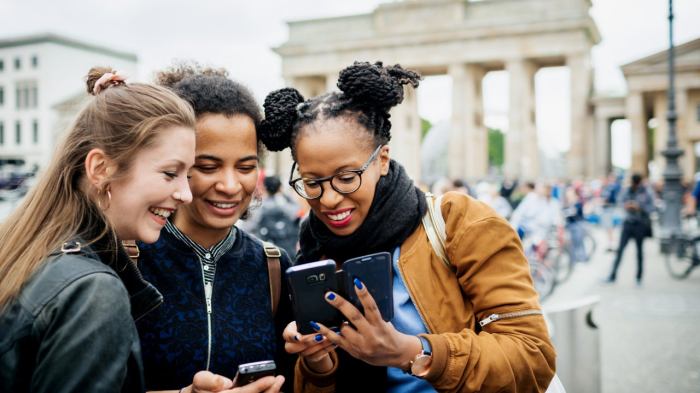
Exploring vibrant cities on a budget is entirely achievable with careful planning. This section highlights ten urban destinations renowned for their rich cultural experiences and exciting atmospheres, offering a blend of historical significance, modern dynamism, and diverse entertainment options perfectly suited for the budget-conscious student traveler. Each city presents unique opportunities for experiencing authentic local life, from exploring hidden gems to enjoying world-class entertainment.
Top Ten Urban Destinations for Cultural Experiences
These cities offer a compelling mix of history, culture, and vibrant energy, providing a rich tapestry of experiences for the adventurous student traveler. Their affordability, relative to other global hubs, makes them particularly appealing for budget-conscious exploration.
- Budapest, Hungary: Known for its thermal baths, stunning architecture, and ruin bars.
- Lisbon, Portugal: A city of charming neighborhoods, delicious pastries, and Fado music.
- Prague, Czech Republic: A fairytale city with a rich history, beautiful bridges, and affordable beer.
- Berlin, Germany: A city of history, art, and vibrant nightlife, with a strong counter-culture scene.
- Krakow, Poland: A medieval city with a captivating old town, delicious pierogi, and a lively student population.
- Seville, Spain: A city of flamenco, tapas, and stunning Moorish architecture.
- Rome, Italy: A historical city with ancient ruins, beautiful churches, and delicious pasta.
- Kyoto, Japan: A city rich in traditional culture, beautiful temples and gardens, and a unique culinary scene.
- Bangkok, Thailand: A vibrant city with bustling markets, delicious street food, and stunning temples.
- Buenos Aires, Argentina: A city known for its passionate tango culture, vibrant nightlife, and delicious steaks.
Nightlife in Top Urban Destinations
Each city offers unique nightlife experiences, catering to diverse tastes and budgets. From sophisticated cocktail bars to lively street parties, the options are abundant.
- Budapest: Ruin bars in the Jewish Quarter offer a unique and affordable nightlife experience. Szimpla Kert is a particularly well-known example.
- Lisbon: Bairro Alto is known for its lively bars and Fado houses, offering a taste of traditional Portuguese music.
- Prague: The Old Town Square offers a variety of pubs and bars, many with live music. Smaller, less touristy bars can be found in the surrounding neighborhoods offering a more authentic experience.
- Berlin: Kreuzberg and Friedrichshain are known for their alternative and techno music scenes, with numerous clubs and bars catering to diverse tastes.
- Krakow: The Kazimierz district, once the Jewish quarter, is now a hub for trendy bars and pubs.
- Seville: The Santa Cruz neighborhood is filled with tapas bars and flamenco shows, offering a vibrant and authentic Andalusian experience.
- Rome: Trastevere is a lively neighborhood with numerous bars and pubs, offering a mix of traditional and modern atmospheres.
- Kyoto: While not known for its vibrant nightlife in the same way as Western cities, Kyoto offers traditional Izakayas (Japanese pubs) for a unique cultural experience.
- Bangkok: Khao San Road is famous for its vibrant street life and numerous bars and clubs, though it can be quite touristy.
- Buenos Aires: San Telmo is known for its traditional milongas (tango dance halls), offering a unique and passionate nightlife experience.
Shopping Opportunities in Top Urban Destinations
From high-end boutiques to bustling markets, these cities offer diverse shopping experiences catering to various budgets.
- High-End Shopping: Cities like Paris, Milan, and London (while not explicitly listed above, they represent examples of high-end shopping destinations) are known for their luxury boutiques and designer stores.
- Budget-Friendly Shopping: Many of the cities listed above offer fantastic opportunities for budget shopping. Local markets, independent boutiques, and thrift stores provide unique and affordable options. For example, the flea markets in Budapest or the street markets in Bangkok offer a wide array of goods at incredibly low prices.
Planning a budget-friendly student trip requires careful consideration of various factors, and utilizing the right technology is key. By leveraging the power of these apps and incorporating the budgeting strategies and travel tips Artikeld, students can confidently embark on enriching and affordable adventures. Remember that responsible planning and resourceful utilization of available tools are the cornerstones of a successful and memorable budget trip.
FAQ Summary
What if I don’t have a credit card?
Many apps allow for payment via debit cards or other methods. Check the app’s payment options before using it.
How can I ensure app security while traveling?
Use strong passwords, enable two-factor authentication where available, and be cautious about connecting to public Wi-Fi.
Are there apps specifically for finding free activities?
While many apps highlight paid activities, you can often find free options through local tourism websites and blogs; many apps also offer curated lists of free activities.
What if an app malfunctions during my trip?
It’s always wise to have backup plans, including offline maps and printed itineraries, to mitigate potential app issues.


