
Budget travel tips for students: Unlocking the secrets to affordable adventures doesn’t require sacrificing fun or experience. This guide empowers students to explore the world without breaking the bank, offering practical strategies for accommodation, transportation, food, activities, and budgeting. We’ll delve into smart choices and hidden gems, ensuring your journey is both enriching and financially responsible.
From finding the cheapest flights and navigating public transport to discovering free activities and indulging in delicious, budget-friendly meals, this comprehensive guide provides a roadmap for unforgettable student travel. Learn how to plan meticulously, prioritize your spending, and ultimately, maximize your travel experience without exceeding your financial limits. Prepare to embark on a journey of discovery and adventure, all while keeping your budget in check.
Top Urban Destinations for Budget Travelers
Choosing the right city can significantly impact your travel budget. Many vibrant and exciting urban centers offer a wealth of experiences without breaking the bank, especially for students who are often working with limited funds. These destinations combine cultural richness, historical significance, and a lively student atmosphere with surprisingly affordable costs of living.Finding affordable travel options is easier than you think.
Many factors contribute to a city’s affordability, including the cost of accommodation, food, transportation, and activities. By understanding these factors and choosing your destination wisely, you can experience the thrill of urban exploration without exceeding your budget.
Affordable European Cities
Several European cities consistently rank high on lists of budget-friendly travel destinations. These cities offer a unique blend of history, culture, and modern amenities at surprisingly affordable prices, especially when compared to other major European capitals.
- Budapest, Hungary: Budapest offers stunning architecture, thermal baths, and a vibrant nightlife at a fraction of the cost of Western European cities. The city boasts an extensive public transportation system, making getting around easy and inexpensive. Numerous affordable hostels and budget-friendly restaurants cater specifically to students and backpackers.
- Krakow, Poland: Krakow, a city steeped in history, is known for its charming Old Town, delicious and affordable Polish cuisine, and a lively student population. Accommodation options range from budget-friendly hostels to reasonably priced Airbnb rentals. The city’s central location makes exploring nearby attractions relatively inexpensive.
- Prague, Czech Republic: Prague offers a fairytale-like atmosphere with its medieval architecture and charming cobblestone streets. While slightly more expensive than Krakow or Budapest, Prague still presents many budget-friendly options for food, accommodation, and activities, particularly if you explore beyond the main tourist areas.
Affordable Cities in Other Regions
Budget travel isn’t limited to Europe. Many cities across the globe offer incredible value for money, making them perfect for students seeking affordable adventures.
- Medellin, Colombia: Medellin, once known for its challenges, has transformed into a vibrant and safe city with a thriving cultural scene. The cost of living is relatively low, particularly for accommodation and food, and the city offers easy access to stunning natural landscapes within a short distance.
- Chiang Mai, Thailand: Chiang Mai provides a unique blend of cultural experiences, delicious street food, and beautiful natural surroundings at incredibly affordable prices. Accommodation options range from budget-friendly guesthouses to more luxurious options, allowing for flexibility based on your budget.
- Ho Chi Minh City, Vietnam: Ho Chi Minh City is a bustling metropolis with a rich history, delicious and inexpensive cuisine, and a vibrant street life. Transportation is affordable, and accommodation options are plentiful, ranging from budget-friendly hostels to more comfortable hotels.
Best Cities for Nightlife (Budget-Friendly): Budget Travel Tips For Students
Exploring vibrant nightlife doesn’t have to break the bank. Many cities worldwide offer exciting entertainment options without emptying your wallet. This section highlights cities known for their lively atmosphere while providing budget-friendly alternatives for students and travelers on a shoestring. We’ll explore affordable bars, clubs, and unique experiences that make for a memorable night out without the hefty price tag.
Budget-Friendly Nightlife Cities
Finding affordable nightlife depends on your research and a willingness to explore beyond the typical tourist traps. Knowing where to look and what to expect can dramatically reduce your entertainment costs.
Examples of Cities with Affordable Nightlife
| City | Best Budget Bars/Clubs | Average Drink Price | Notable Features |
|---|---|---|---|
| Budapest, Hungary | Szimpla Kert (ruin bar), Instant-Fogas complex, various bars along the Danube | $3-5 USD | Unique ruin bars, lively atmosphere, affordable drinks, frequent events |
| Krakow, Poland | Numerous bars in Kazimierz (Jewish Quarter), clubs along Floriańska Street, underground clubs | $2-4 USD | Historic setting, diverse music scene, cheap beer, lively student population |
| Berlin, Germany | Numerous bars in Kreuzberg and Friedrichshain, alternative clubs, open-air events | $4-6 USD | Alternative and underground scene, diverse music genres, affordable drinks, many free events |
| Medellín, Colombia | Bars in El Poblado, Laureles, and Provenza neighborhoods, salsa clubs | $2-4 USD | Vibrant Latin American atmosphere, affordable cocktails, live music, salsa dancing |
Tips for Finding Affordable Nightlife
Look beyond the main tourist areas. Often, the most authentic and affordable nightlife is found in less-visited neighborhoods. Check local listings, websites, and social media for events and deals. Happy hour specials are common in many cities, significantly reducing drink prices. Consider attending free events, such as open mic nights, live music in parks, or street festivals.
Exploring different neighborhoods and types of establishments can lead to unexpected discoveries and savings.
Shopping Travel Guides (Budget-Conscious)
Navigating the world of souvenirs and gifts on a student budget requires a strategic approach. Finding unique items without breaking the bank is entirely possible with a little planning and savvy shopping techniques. This guide provides practical tips for maximizing your shopping experience while minimizing your spending.
Budget-conscious shopping while traveling involves more than just looking for discounts; it’s about understanding the local market dynamics and adopting smart shopping habits. This includes knowing where to look for authentic, locally made goods and avoiding overpriced tourist traps that inflate prices significantly. The following strategies will help you find unique and affordable souvenirs and gifts that truly reflect your travel experiences.
Finding Unique and Affordable Souvenirs
Discovering unique and affordable souvenirs is about exploring beyond the typical tourist shops. Instead of predictable items, look for authentic, locally crafted goods that tell a story of the place you’ve visited. This often means venturing away from the main tourist areas and immersing yourself in the local culture.
- Explore local markets and bazaars: These are treasure troves of unique and often cheaper items. Haggling is often expected and can significantly reduce prices. For example, in Marrakech’s Djemaa el-Fna square, you can find beautiful handcrafted lamps and spices at a fraction of the cost of those in tourist shops. Remember to be respectful and polite while bargaining.
- Visit artisan workshops and studios: Purchasing directly from the creators allows you to support local artisans and often get better prices than in retail stores. This also provides an opportunity to learn about the craftsmanship involved. For instance, a visit to a pottery studio in Tuscany might allow you to buy unique, hand-painted ceramics at a reasonable cost.
- Look for locally made products: Support local businesses and find authentic souvenirs by focusing on items made in the region. This could be anything from locally grown coffee beans to hand-woven textiles. Choosing these items ensures your money stays within the local economy and adds a more meaningful aspect to your souvenir.
- Consider edible souvenirs: Locally produced food items such as spices, teas, honey, or local sweets make excellent and affordable souvenirs. They’re often lighter and easier to transport than bulky items, and they offer a delicious reminder of your trip. For example, bringing back a selection of artisanal chocolates from Belgium or a bag of unique spices from India is a flavorful and affordable way to remember your journey.
Navigating Local Markets and Avoiding Tourist Traps
Successfully navigating local markets and avoiding tourist traps requires a blend of observation, awareness, and a little bit of street smarts. Understanding the pricing strategies employed in different areas is crucial for making informed purchasing decisions. Knowing how to politely negotiate prices is also an essential skill for budget travelers.
- Research beforehand: Learn about the typical prices for common souvenirs in the area you’re visiting. This will help you avoid overpaying and identify potential tourist traps. Online forums and travel blogs can offer valuable insights into pricing and potential scams.
- Venture beyond the main tourist areas: Prices are often inflated in areas heavily frequented by tourists. Exploring side streets and less-visited markets can reveal better deals and more authentic products.
- Haggle respectfully: Bargaining is common in many parts of the world, but it’s essential to do so respectfully. Start by offering a lower price than what’s initially asked, and be prepared to walk away if you’re not satisfied with the final price. Remember to be polite and appreciative, regardless of the outcome.
- Be wary of overly aggressive vendors: Vendors who are overly pushy or insistent can be a sign of a tourist trap. It’s perfectly acceptable to politely decline their offers and move on to another vendor.
- Pay attention to quality: Don’t let a low price compromise quality. Inspect items carefully before purchasing to ensure they are well-made and durable. A slightly more expensive item of better quality might be a more worthwhile investment in the long run.
Urban Architecture Tours (Free/Low-Cost)
Exploring a city’s architectural marvels doesn’t require a hefty budget. Many cities offer a wealth of free or low-cost opportunities to appreciate their urban design, from grand historical buildings to modern masterpieces. By combining readily available resources with a bit of planning, you can craft a memorable and affordable architectural adventure.Discovering a city’s architectural heritage can be a captivating and enriching experience, particularly when done affordably.
Many cities offer a range of options for budget-conscious travelers, including free walking tours and self-guided exploration using readily available resources like maps and online guides.
Free Walking Tours and Self-Guided Explorations
Free walking tours, often led by enthusiastic local guides, provide a fantastic introduction to a city’s architecture. These tours typically cover a specific area or theme, offering insights into the history and design of significant buildings. Self-guided explorations, using maps, guidebooks, or even smartphone apps, allow for a more personalized and flexible approach, letting you delve deeper into areas that pique your interest.
Remember to check for any potential entry fees to specific buildings, even if the tour itself is free.
- Free Walking Tours: Search online for “free walking tours [city name]” to find options. Tip your guide generously if you enjoyed the tour!
- Self-Guided Tours: Utilize readily available resources such as city maps, online architectural guides, and even museum websites which often have information about free outdoor exhibits. Many cities have excellent public transportation, making it easy to navigate between different architectural sites.
- Smartphone Apps: Download city guide apps which often include architectural highlights and self-guided walking routes. These apps often provide historical context and interesting facts about the buildings you encounter.
Notable Architectural Landmarks (Free or Inexpensive to Visit), Budget travel tips for students
Many architectural landmarks offer free or low-cost access, particularly their exteriors. Exploring these sites from the outside allows you to appreciate their grandeur and architectural details without incurring any admission fees. Some locations might offer free entry during specific times or days, so checking their websites beforehand is advisable.
- Examples: The exterior of many famous cathedrals (e.g., Notre Dame in Paris, St. Peter’s Basilica in Vatican City – though entry to the Basilica itself may involve a fee), government buildings (e.g., the US Capitol Building in Washington D.C.), and iconic bridges (e.g., the Golden Gate Bridge in San Francisco) often offer free viewing opportunities. Many parks and public squares also feature notable architectural elements, providing free and accessible viewing.
Street Food and Markets (Budget Eats)
Street food markets offer a vibrant and affordable way to experience a city’s culinary culture. They’re a fantastic option for budget-conscious travelers, particularly students, providing a diverse range of delicious and inexpensive meals. This section highlights some of the best street food markets in popular student travel destinations, along with tips for navigating these bustling environments safely and enjoyably.
Popular Street Food Markets for Budget Travelers
Finding delicious and affordable food is a top priority for students traveling on a budget. Street food markets offer a unique opportunity to sample local cuisine at incredibly reasonable prices. The following table details some noteworthy markets in popular student destinations. Note that prices are approximate and can fluctuate depending on the specific vendor and time of year.
| City | Market Name | Specialty Dishes | Price Range |
|---|---|---|---|
| Bangkok, Thailand | Yaowarat (Chinatown) | Oyster omelets, Pad Thai, various noodle soups, dim sum | $1-5 USD per dish |
| Mexico City, Mexico | Mercado Medellín | Tacos al pastor, esquites, elotes, various antojitos mexicanos | $1-3 USD per dish |
| Ho Chi Minh City, Vietnam | Ben Thanh Market | Banh mi, pho, spring rolls, fresh fruit shakes | $0.50-3 USD per dish |
| London, England | Borough Market | Artisan cheeses, fresh bread, pies, international street food | $5-15 USD per dish (slightly higher price range due to location) |
| New York City, USA | Chelsea Market | Diverse range of cuisines, including tacos, ramen, pizza, and various ethnic foods. | $5-20 USD per dish (higher price range due to location) |
Tips for Safely and Enjoyably Exploring Street Food Markets
Exploring street food markets can be an exciting and rewarding experience, but it’s important to prioritize safety and hygiene. Following these simple tips will help ensure a positive and enjoyable visit.
First, observe the vendors. Look for busy stalls with fresh ingredients and high turnover – this indicates popularity and freshness. Avoid stalls with food that looks stale or is not properly covered.
Second, pay attention to hygiene. Choose vendors who maintain clean surroundings and handle food with care. Look for stalls that use gloves or utensils properly. If unsure, err on the side of caution.
Third, stay hydrated. Carry a water bottle and stay hydrated, especially in warmer climates. Avoid ice in drinks unless you are confident in the source’s cleanliness.
Fourth, be mindful of your belongings. Street markets can be crowded, so keep an eye on your valuables and avoid displaying large amounts of cash.
Finally, be adventurous but sensible. Don’t be afraid to try new things, but start with smaller portions if you’re unsure about a particular dish. Listen to your body and avoid anything that looks or smells off.
City Travel Hacks (Saving Money and Time)
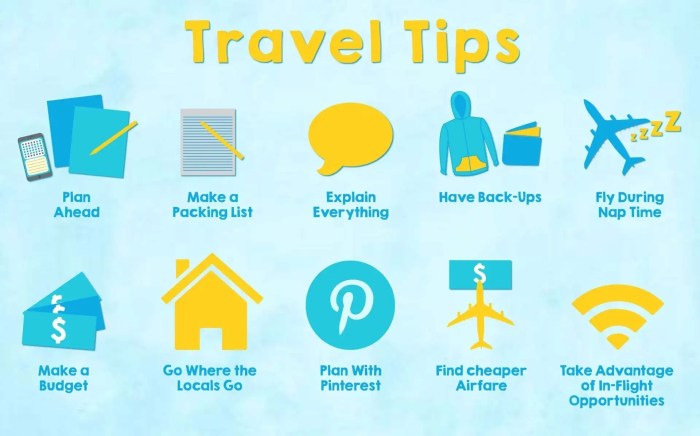
Navigating a new city on a budget can feel daunting, but with a little planning and resourcefulness, you can significantly reduce expenses and maximize your time. This section Artikels practical strategies to make your urban exploration both affordable and efficient. These tips are applicable to most major cities worldwide, though specific details may vary.
Mastering Public Transportation
Efficient and affordable public transportation is key to exploring a city without breaking the bank. Before your trip, research the city’s transit system. Many cities offer multi-day passes or discounted fares for students, which can save considerable money compared to single-journey tickets. Familiarize yourself with routes and schedules using online maps and apps. Consider purchasing a reusable travel card for contactless payment, which often offers faster access and potential discounts.
For example, the Oyster card in London or the MetroCard in New York City offer significant cost savings compared to purchasing individual tickets. Walking and cycling, where safe and feasible, are also excellent alternatives, providing both exercise and a unique perspective of the city.
Uncovering Hidden Gems
Tourist hotspots are often crowded and overpriced. To experience a city like a local and save money, seek out hidden gems. Explore lesser-known neighborhoods, visit local markets instead of tourist shops, and look for free activities like walking tours or visiting parks and gardens. Many cities have free walking tours that offer a great introduction to the city’s history and culture.
Utilizing online forums and local blogs can uncover hidden cafes, restaurants, and attractions not typically found in guidebooks. For instance, exploring the Marais district in Paris instead of focusing solely on the Eiffel Tower offers a more authentic and budget-friendly experience.
Avoiding Common Tourist Traps
Tourist traps often prey on unsuspecting visitors with inflated prices and subpar experiences. Avoid pre-booked tours from airports or train stations, as they often charge significantly more than tours booked in advance online or directly with the provider. Be wary of overly enthusiastic street vendors or touts offering dubious deals. Research the average cost of activities and meals beforehand to avoid being overcharged.
For example, always confirm the price of a taxi or ride-sharing service before getting in, and be mindful of hidden fees or surcharges. Sticking to local eateries rather than tourist-oriented restaurants can save significant money on meals. Learning basic phrases in the local language can also help you navigate situations and avoid being taken advantage of.
Metro Adventures (Budget-Friendly Public Transport)
Navigating a new city on a budget often hinges on utilizing efficient and affordable public transportation. Metro systems, with their extensive networks and relatively low fares, are a student traveler’s best friend. Mastering the art of metro travel can significantly reduce transportation costs and allow for more exploration. This section details strategies for maximizing your metro experience while minimizing expenses.Efficient and Affordable Metro Usage in Various Cities involves understanding the nuances of each city’s system.
These differences can impact cost and convenience, highlighting the importance of pre-trip research.
Metro Pass Purchasing Strategies
Purchasing the right metro pass is crucial for saving money. A single-journey ticket often proves more expensive than a day pass or multi-day pass, especially if you plan on extensive travel. Many cities offer tourist passes that include metro access alongside other attractions, providing significant value. Consider the length of your stay and your planned activities when choosing a pass.
For example, a 3-day pass might be ideal for a short trip, while a weekly pass offers better value for longer stays. Always check for student discounts – many metro systems offer reduced fares for students with valid identification. Avoid purchasing individual tickets for each journey unless absolutely necessary; it quickly adds up.
Avoiding Common Metro Mistakes
Several common mistakes can lead to increased costs and frustration. Firstly, familiarize yourself with the metro map before your journey. Understanding the routes and transfer points will prevent getting lost and potentially paying for extra travel. Secondly, be aware of peak hours. Travel during off-peak times to avoid crowded trains and potential delays.
Thirdly, validate your ticket properly before boarding. Failure to do so can result in hefty fines. Finally, be mindful of your belongings to prevent theft, a common occurrence in crowded public transport. Knowing the typical fare evasion penalties in the city will also deter you from attempting any fare-dodging tactics.
Understanding Different Metro Systems
Metro systems vary widely across the globe. Some utilize a simple zone-based fare system, where the cost depends on the distance traveled. Others use a flat-fare system, charging a fixed price regardless of distance. Some systems have integrated ticketing with buses and trams, offering seamless travel. Understanding the specific system of your destination is paramount to budgeting effectively.
For instance, London’s Oyster card offers pay-as-you-go functionality, while Paris’s Navigo Découverte pass is a weekly pass valid within specific zones. Researching the local system beforehand will allow you to select the most cost-effective option.
Skyscraper Destinations (Budget-Friendly Views)
Exploring towering skyscrapers doesn’t have to break the bank. Many cities boast impressive skylines with surprisingly affordable ways to enjoy breathtaking panoramic views. This section will highlight cities with budget-friendly options for admiring their architectural marvels, and offer alternative strategies for maximizing your sightseeing experience without emptying your wallet.Many cities offer stunning skyscraper views without the hefty price tag of official observation decks.
By utilizing alternative vantage points and employing smart strategies, students can experience the thrill of seeing a city from above without compromising their budget.
Cities with Budget-Friendly Skyscraper Views
Several cities worldwide offer fantastic views of their skylines without requiring expensive tickets. These locations often provide free or low-cost alternatives to official observation decks, making them ideal for budget-conscious travelers.
- New York City, USA: While the Top of the Rock and Empire State Building command high prices, free alternatives exist. Brooklyn Bridge Park offers spectacular Manhattan skyline views, particularly at sunset. Many rooftop bars also offer happy hour deals, providing stunning views at a fraction of the cost of dedicated observation decks. Consider visiting during off-peak hours for less crowded experiences.
- Hong Kong: Victoria Peak is iconic, but pricey. However, exploring the city’s many parks, particularly those on the hillsides, provides surprisingly good vantage points for admiring the dense cityscape. The Avenue of Stars, along the waterfront, also offers impressive views of the skyscrapers across the harbor.
- Chicago, USA: While the Willis Tower and Hancock Center offer paid observation decks, many parks along the lakefront, such as Millennium Park, provide excellent free views of the city’s impressive skyline. Some restaurants and bars with outdoor seating also offer stunning panoramic views at a reasonable cost.
- Dubai, UAE: While the Burj Khalifa is undeniably iconic and expensive, the Dubai Mall offers free views of the building from its vast interior. Additionally, many of the city’s bridges and waterfront promenades provide stunning views of the skyline, especially at night.
Alternative Viewpoints for Budget Travelers
Beyond dedicated observation decks, numerous free or low-cost alternatives exist for enjoying skyscraper views. These options provide unique perspectives and often a more local experience.Exploring these alternatives allows budget travelers to experience the thrill of urban panoramas without compromising their financial plan. These strategies often involve a little more exploration but reward the effort with stunning and unique views.
- Parks and Green Spaces: Many cities strategically place parks on higher ground, offering stunning panoramic views. Research local parks and hillsides for hidden gems offering breathtaking perspectives of the city skyline.
- Rooftop Bars with Happy Hour Deals: Numerous rooftop bars offer discounted drinks and appetizers during happy hour, making them a budget-friendly option for enjoying stunning views. Research local bars to find those with attractive deals and spectacular views.
- Bridges and Overpasses: Bridges and overpasses provide unique vantage points, offering a different perspective on the city’s architecture. Many offer free access and can provide spectacular views of the surrounding skyscrapers.
- Elevated Public Transportation: Taking advantage of elevated train lines or buses can offer unexpected opportunities to admire the city skyline from a unique angle. Consider using public transport to reach viewpoints and enjoy the views along the way.
Urban Photography Tips (Capturing the City on a Budget)
Unlocking the city’s visual potential doesn’t require expensive gear. With a little creativity and these tips, you can capture stunning urban photographs using readily available resources. This section will explore techniques and strategies for finding the best photographic locations and perspectives, all while keeping your budget in mind.
Essential Equipment and Settings
Affordable cameras, even smartphones, offer impressive image quality. Mastering basic settings significantly enhances your photography. Understanding the interplay of aperture, shutter speed, and ISO allows you to control depth of field, motion blur, and image brightness, respectively. Experiment with different settings to see how they affect your images. For example, a wide aperture (low f-number) creates a shallow depth of field, ideal for portraits with blurred backgrounds.
A fast shutter speed freezes motion, useful for capturing street scenes. A low ISO reduces noise, particularly in low-light situations.
- Utilize the natural light. Golden hour (sunrise and sunset) provides soft, warm light, ideal for capturing atmospheric scenes.
- Master the rule of thirds. Placing your subject off-center, along imaginary lines dividing the frame into thirds, often creates more visually appealing compositions.
- Explore different angles. Shoot from high vantage points for dramatic cityscapes or get down low for unique perspectives.
- Use leading lines. Architectural elements like roads, fences, or even shadows can guide the viewer’s eye through the image.
- Embrace simplicity. Focus on a single subject or a small group of elements to create a clean and impactful image. Avoid clutter.
Finding Unique Locations and Perspectives
The city itself is a treasure trove of photographic opportunities. Look beyond the obvious landmarks; hidden alleys, vibrant street art, and everyday moments can make for compelling photographs. Consider exploring less-visited neighborhoods or finding unusual viewpoints to capture unique perspectives of familiar scenes.
- Explore hidden alleys and backstreets. These often offer a glimpse into the city’s less-touristy side, revealing unexpected textures and details.
- Seek out architectural details. Close-up shots of intricate building facades, window patterns, or decorative elements can be visually striking.
- Utilize rooftops (where permitted and safe). Rooftop access offers panoramic views, allowing for unique perspectives on the cityscape.
- Visit local markets and parks. These vibrant locations offer opportunities to capture candid shots of people interacting and daily life unfolding.
- Look for reflections. Water puddles, shop windows, or even polished surfaces can create interesting reflections, adding depth and visual interest to your photographs.
Post-Processing Techniques
While advanced software can be costly, free or low-cost editing apps offer basic tools for enhancing your images. Simple adjustments like cropping, brightness/contrast, and saturation can make a significant difference. Remember that subtlety is key; avoid over-processing your images.
Urban Parks and Green Spaces (Free Relaxation)
Escaping the urban hustle and finding pockets of tranquility is crucial for any budget traveler, especially students. Urban parks offer a free and refreshing respite, allowing you to recharge amidst nature without breaking the bank. They provide a welcome break from sightseeing and offer opportunities for relaxation, reflection, and even a bit of people-watching. Many parks boast unique features, historical significance, or stunning city views, enhancing your overall travel experience.Spending time in urban parks offers numerous benefits for budget travelers.
Firstly, it’s a cost-effective way to unwind and de-stress after a long day of exploring. The fresh air and green surroundings provide a welcome contrast to the often-busy city streets. Secondly, parks offer a chance to connect with nature, even within a bustling metropolis. This can be particularly beneficial for students who may be experiencing travel fatigue or homesickness.
Finally, many parks host free events, concerts, or markets, adding to the overall value and enjoyment of your visit.
Popular Urban Parks in Student Travel Destinations
Urban parks offer a variety of experiences depending on the city and their unique characteristics. The table below highlights some examples. Note that accessibility can vary depending on the specific park area and features. Always check individual park websites for the most up-to-date information on accessibility features and any potential temporary closures.
| City | Park Name | Notable Features | Accessibility |
|---|---|---|---|
| London, England | Hyde Park | Serpentine Lake, Speakers’ Corner, Diana Memorial Playground | Generally good, with paved paths and accessible entrances. Some areas may be less accessible due to uneven terrain. |
| New York City, USA | Central Park | The Bow Bridge, Bethesda Terrace and Fountain, Strawberry Fields | Mostly accessible, with paved paths and ramps. Some areas, especially hills, may be challenging for wheelchair users. |
| Paris, France | Jardin du Luxembourg | Formal gardens, Medici Fountain, puppet shows (seasonal) | Good accessibility with paved paths and ramps in many areas. |
| Berlin, Germany | Tiergarten | Large expanse of greenery, lakes, monuments, and museums | Generally good accessibility with wide paved paths, however, some areas may be less accessible due to the size and varied terrain. |
| Barcelona, Spain | Parc de la Ciutadella | Zoo, lake, monumental cascade, and a wide variety of plants and trees | Good accessibility, with paved paths and ramps in many areas. |
Mastering the art of budget travel as a student is not about deprivation; it’s about resourcefulness and strategic planning. By implementing the tips Artikeld in this guide, you can transform your travel aspirations into reality. Remember that meticulous budgeting, creative exploration, and a willingness to embrace diverse experiences are the keys to unlocking affordable adventures. So, pack your bags, embrace the unexpected, and embark on a journey filled with incredible memories that won’t drain your bank account.
FAQ Compilation
What’s the best time of year to travel on a budget?
Shoulder seasons (spring and fall) generally offer lower prices and fewer crowds than peak summer months.
How can I avoid hidden fees when booking flights or accommodation?
Carefully review all booking details, including baggage fees, cancellation policies, and any extra charges. Look for all-inclusive options whenever possible.
What are some good ways to meet other travelers?
Stay in hostels, join walking tours, participate in group activities, or utilize travel apps designed to connect travelers.
How can I stay safe while traveling alone?
Share your itinerary with someone at home, be aware of your surroundings, avoid walking alone at night, and trust your instincts.
What should I do if my travel plans change unexpectedly?
Have travel insurance to cover unexpected events. Remain flexible and adapt your plans as needed. Contact your airlines and accommodation providers promptly to discuss changes.


