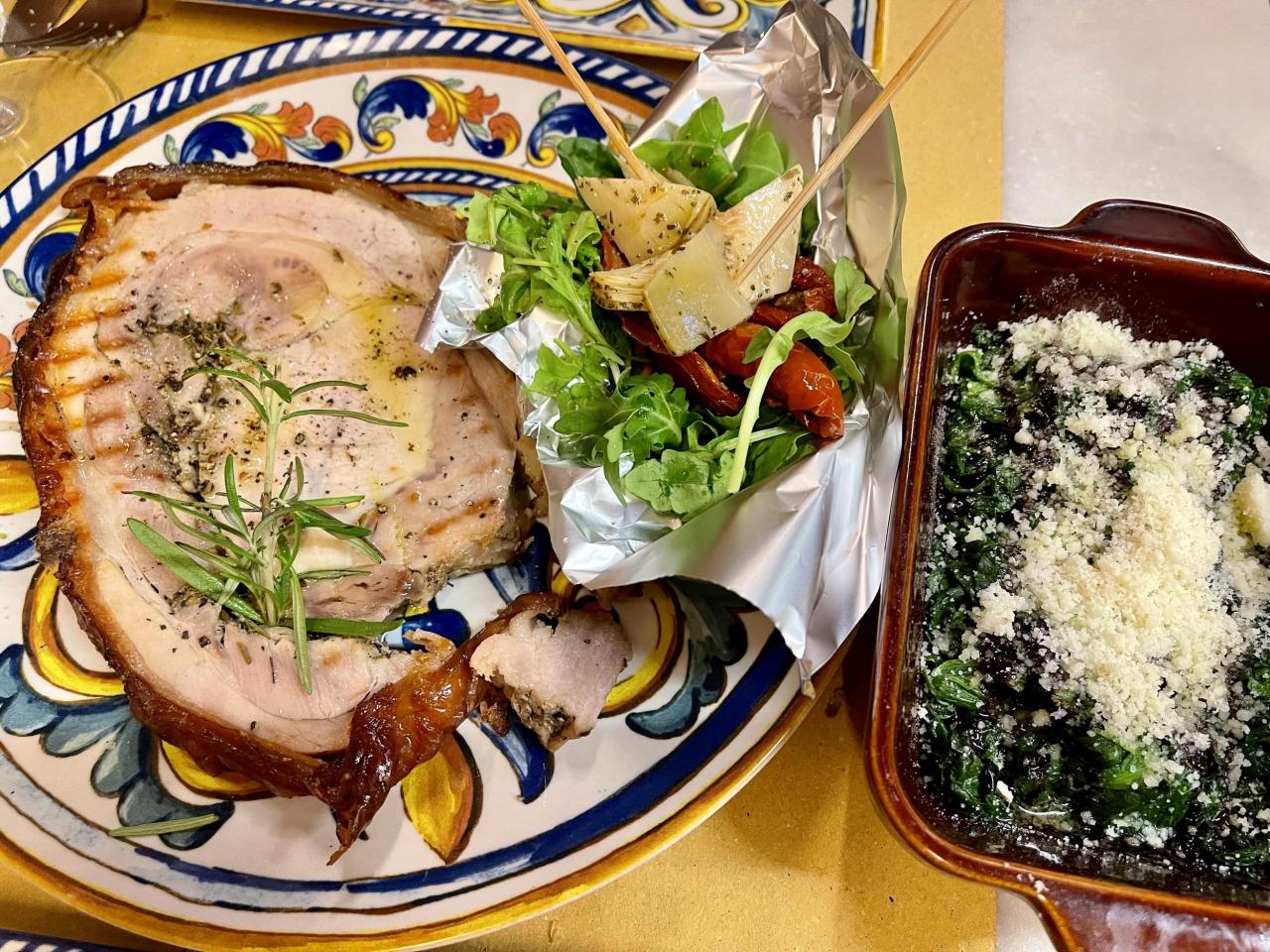
Cheap Eats in Rome for Food Lovers: This exploration delves into the vibrant culinary landscape of Rome, revealing a wealth of delicious and affordable dining experiences. We’ll uncover the best neighborhoods for budget-friendly meals, explore various types of cheap eats, and unearth hidden gems that offer exceptional value. This guide provides practical tips for navigating the Roman food scene without breaking the bank, ensuring a memorable culinary journey.
From the classic pizza al taglio to authentic trattorias and enticing street food, we’ll uncover the secrets to enjoying Rome’s gastronomic delights without emptying your wallet. We’ll also share insider tips and tricks to help you find the best deals and avoid tourist traps, making your Roman food adventure both delicious and affordable.
Cheap Eats in Rome for Food Lovers
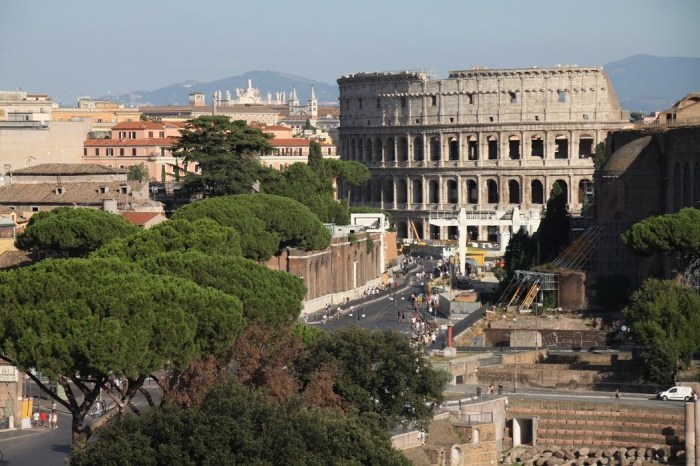
Rome, a city steeped in history and romance, offers a culinary experience unlike any other. Beyond the Michelin-starred restaurants and upscale trattorias, lies a vibrant world of affordable yet incredibly delicious food, perfect for budget-conscious travelers and food enthusiasts alike. This article will explore the best places to find cheap eats in Rome, highlighting diverse options that showcase the city’s rich gastronomic heritage without breaking the bank.
We’ll delve into specific neighborhoods, recommend specific dishes, and provide tips for navigating the Roman food scene on a budget. Our definition of “cheap eats” in this context refers to meals costing under €20 per person, allowing for a satisfying and authentic Roman dining experience.
Neighborhood Gems: Discovering Hidden Culinary Treasures
Rome’s diverse neighborhoods each offer unique culinary experiences. Trastevere, with its charming cobblestone streets and lively atmosphere, boasts numerous trattorias serving traditional Roman dishes at reasonable prices. Here, you can find classic pasta dishes like cacio e pepe or amatriciana for a fraction of the cost of more touristy areas. Monti, known for its trendy boutiques and artisan workshops, also hides away several affordable gems, often offering a more modern take on Roman cuisine.
The Testaccio market area, a bustling hub of local life, offers incredible opportunities for inexpensive and authentic Roman street food. Exploring these areas will reveal numerous smaller, family-run establishments offering exceptional value.
Street Food Delights: A Taste of Roman Authenticity
Street food is an integral part of Roman culinary culture. Pizza al taglio (pizza by the slice) is a ubiquitous and affordable option, with countless pizzerias offering a variety of toppings and styles. Supplí, fried rice balls filled with mozzarella and ragu, are another popular and budget-friendly choice, perfect for a quick and satisfying snack. A classic Roman sandwich from a paninoteca (sandwich shop) filled with cured meats, cheeses, and vegetables, is also an excellent and inexpensive meal.
These options provide a taste of authentic Roman cuisine without the higher prices of sit-down restaurants. For example, a delicious pizza al taglio can often be found for under €3, while supplì typically cost around €2 each.
Budget-Friendly Restaurants: Quality without the Premium
Many smaller, family-run restaurants throughout Rome offer excellent quality food at affordable prices. These establishments often feature daily specials based on seasonal ingredients, ensuring freshness and value. Look for restaurants frequented by locals, as these are often a good indicator of quality and affordability. Avoid restaurants located directly on major tourist routes, as these tend to have higher prices.
Searching for “trattoria” or “osteria” in less touristy neighborhoods will yield numerous options. For example, a simple pasta dish and a glass of house wine can often be enjoyed for under €15 in these types of establishments.
Best Neighborhoods for Budget-Friendly Dining: Cheap Eats In Rome For Food Lovers
Rome offers a wealth of culinary experiences, and while indulging in Michelin-starred restaurants can be tempting, delicious and authentic Roman food is readily available at incredibly affordable prices. Exploring specific neighborhoods is key to uncovering these hidden gems. Focusing on areas away from the main tourist hubs often yields the most authentic and budget-friendly dining options.
Three Neighborhoods for Affordable Roman Cuisine
This section details three Roman neighborhoods renowned for their inexpensive yet high-quality trattorias and osterias, offering a genuine taste of Roman culinary tradition without breaking the bank. Each neighborhood possesses a unique atmosphere and culinary focus, ensuring a diverse and rewarding exploration of Roman gastronomy.
| Neighborhood | Restaurant Name | Price Range | Specialty |
|---|---|---|---|
| Trastevere | Trattoria Da Enzo al 29 | €15-€30 | Traditional Roman pasta dishes, particularly cacio e pepe and amatriciana, served in a lively, bustling atmosphere. Known for its generous portions and friendly service. |
| Trastevere | Roma Sparita | €10-€25 | A more casual option offering classic Roman street food like supplì (fried rice balls) and pizza al taglio (pizza by the slice) at very affordable prices. Perfect for a quick and tasty lunch or snack. |
| Trastevere | La Taverna dei Fori Imperiali | €15-€35 | A slightly more upscale trattoria in Trastevere, but still offering excellent value for money. Specializes in traditional Roman dishes with a modern twist, using fresh, seasonal ingredients. |
| Testaccio | Flavio al Velavevodetto | €12-€28 | A classic Testaccio trattoria known for its authentic Roman cuisine and lively atmosphere. Their coda alla vaccinara (oxtail stew) is a must-try. |
| Testaccio | Checchino dal 1887 | €25-€45 | While slightly pricier than other options, Checchino still offers good value for the quality of its traditional Roman dishes. Known for its sophisticated take on classic recipes. |
| Testaccio | Mordi e Vai | €5-€15 | A popular spot for affordable and delicious street food, particularly their pizza bianca (plain pizza). Ideal for a quick and inexpensive bite. |
| Monti | Ai Tre Scalini | €15-€30 | A charming trattoria in the Monti neighborhood, serving traditional Roman dishes in a cozy setting. Offers a good selection of pasta and meat dishes at reasonable prices. |
| Monti | Armando al Pantheon | €20-€40 | Slightly more upscale but still affordable compared to other restaurants near the Pantheon. Known for its classic Roman dishes and its location near major sights. |
| Monti | Pizzeria Romana Bio | €10-€20 | A great option for budget-conscious pizza lovers. Offers a variety of delicious and affordable pizzas made with organic ingredients. |
Types of Cheap Eats in Rome
Rome offers a delightful array of budget-friendly culinary experiences, catering to every taste and preference. From quick and easy street food to more substantial sit-down meals, affordable deliciousness is readily available throughout the city. This section will explore some of the most popular and accessible types of cheap eats in Rome, providing examples and outlining their advantages and disadvantages.
Pizza al Taglio
Pizza al taglio, or pizza by the slice, is a Roman staple. Sold by weight from bakeries and pizzerias, it offers a quick, satisfying, and inexpensive meal. Popular toppings include classic Margherita (tomato and mozzarella), Marinara (tomato and garlic), and various vegetable combinations. Expect to pay around €2-€4 per slice, depending on the size and toppings.
- Pros: Convenient, quick, affordable, wide variety of toppings, readily available throughout the city.
- Cons: Can be less aesthetically pleasing than sit-down pizza, potentially less fresh ingredients compared to made-to-order pizza.
Pasta Dishes
Pasta is a cornerstone of Italian cuisine, and Rome is no exception. Numerous trattorias and casual restaurants offer delicious and affordable pasta dishes. Simple options like cacio e pepe (cheese and pepper) or amatriciana (tomato, guanciale, and pecorino cheese) are widely available and generally cost between €8-€12.
- Pros: Hearty, satisfying, flavorful, relatively inexpensive, many variations available.
- Cons: Can be heavy, might not be suitable for all diets (e.g., gluten-free).
Street Food
Rome’s vibrant street food scene offers a plethora of cheap and cheerful options. Supplì (fried rice balls filled with mozzarella and ragu), trapizzino (triangular pockets of pizza bianca filled with various ingredients), and pizza bianca (plain white pizza) are just a few examples. Prices typically range from €1-€5 per item.
- Pros: Extremely affordable, perfect for a quick bite, great for experiencing authentic Roman flavors on the go.
- Cons: Can be less hygienic than sit-down restaurants, limited seating options, might not be suitable for a full meal.
Trattorias
While some trattorias can be pricey, many offer affordable lunch menus ( menu turistico) or daily specials at reasonable prices. These menus often include a first course (antipasto), a main course (primo or secondo), and sometimes a side dish and drink, all for around €10-€15. Expect classic Roman dishes like saltimbocca (veal with prosciutto and sage) or pollo alla cacciatora (hunter-style chicken).
- Pros: Authentic Roman cuisine, more substantial meal, opportunity to experience a traditional dining atmosphere.
- Cons: Can be more expensive than other cheap eats, may require reservations, especially during peak season.
Tips for Finding Cheap Eats in Rome
Navigating Rome’s culinary scene on a budget is entirely achievable with a little savvy planning. By avoiding tourist traps and embracing local customs, you can enjoy delicious and authentic Roman food without breaking the bank. This section provides practical advice to help you discover Rome’s best-kept, budget-friendly dining secrets.
Utilizing Local Markets for Affordable Ingredients
Rome boasts vibrant local markets overflowing with fresh produce, cheeses, cured meats, and bread – all at significantly lower prices than restaurants. Purchasing ingredients from these markets allows you to prepare simple yet satisfying meals in your accommodation, saving considerable money. Markets like Campo de’ Fiori (though touristy, still offers good deals if you shop early) and Testaccio Market offer a diverse range of products.
Consider buying ingredients for a picnic lunch to enjoy in a park, offering a memorable and affordable Roman experience.
Leveraging Lunch Menus (Menu Turistico)
Many trattorias and smaller restaurants offer a “menu turistico” at lunchtime. These set menus typically include a starter, a main course, a side dish, and sometimes a drink, all for a very reasonable price. This is an excellent way to sample traditional Roman cuisine without the higher prices of dinner menus. Look for these menus displayed outside restaurants – they’re often a hidden gem for budget-conscious travellers.
Avoiding Tourist Traps
Tourist traps, often located in highly trafficked areas, significantly inflate prices. Instead, venture slightly off the beaten path to discover authentic trattorias and smaller eateries frequented by locals. Look for places with menus primarily in Italian (a good indicator of local popularity), and avoid restaurants with overly aggressive touts trying to lure you inside. Word-of-mouth recommendations and online reviews from other budget travelers can also be invaluable.
Employing Apps and Websites for Budget-Friendly Restaurant Discovery
Several apps and websites specialize in helping travellers find affordable restaurants. TheFork (formerly known as TheFork), for example, often offers discounts and deals at participating restaurants. Additionally, sites like TripAdvisor and Google Maps allow you to filter search results by price range, helping you quickly identify budget-friendly options in your chosen neighborhood. Checking restaurant reviews on these platforms can help avoid overpriced or underwhelming dining experiences.
A Summary of Practical Tips for Finding Cheap Eats in Rome
- Shop at local markets for fresh, affordable ingredients to prepare your own meals.
- Take advantage of lunchtime “menu turistico” deals offered by many restaurants.
- Avoid restaurants in heavily touristic areas, opting instead for eateries frequented by locals.
- Utilize apps and websites like TheFork, TripAdvisor, and Google Maps to find budget-friendly restaurants and read reviews.
- Look for restaurants with menus primarily in Italian, indicating a local clientele.
Rome Beyond Food
Rome offers much more than just incredible culinary experiences. Exploring its rich history, vibrant culture, and diverse cityscape provides a well-rounded travel experience. This section delves into various aspects of Roman life beyond the delicious food, offering insights into other exciting urban destinations and travel experiences.
Top Urban Destinations for Foodies
Several cities worldwide rival Rome’s culinary prowess. The following list ranks five prominent destinations based on their diverse food scenes, encompassing both high-end dining and street food options, reflecting a broad range of cuisines and cultural influences.
- Lyon, France: Known for its bouchons (traditional Lyonnaise bistros) and its dedication to regional cuisine.
- Tokyo, Japan: Boasting Michelin-starred restaurants alongside countless ramen shops and bustling street food markets.
- San Sebastián, Spain: Celebrated for its pintxos (Basque tapas) and innovative culinary scene.
- Bangkok, Thailand: A vibrant hub of street food, offering an unparalleled variety of flavors and textures.
- New York City, USA: A melting pot of culinary traditions, representing cuisines from around the globe.
Cities Renowned for Vibrant Nightlife
Nightlife varies greatly across the globe, each city offering unique experiences. The following three cities are known for their distinct and lively nocturnal atmospheres.
- Berlin, Germany: Famous for its eclectic techno music scene, diverse bars, and underground clubs, reflecting a vibrant and alternative culture.
- Ibiza, Spain: Renowned for its world-class clubs, beach parties, and glamorous nightlife, attracting international DJs and revelers.
- New Orleans, Louisiana, USA: Known for its live jazz music, vibrant bars, and unique atmosphere, reflecting a rich musical and cultural heritage.
Unique Shopping Districts
Shopping experiences differ vastly depending on location and cultural influences. The following examples highlight the distinctive characteristics of two shopping districts.
- Harajuku, Tokyo, Japan: Known for its unique street style, quirky boutiques, and vibrant youth culture, offering a blend of high-end fashion and independent designers. The district’s visual energy and innovative designs are unmistakable.
- SoHo, New York City, USA: A historic cast-iron district transformed into a high-end shopping destination, showcasing designer boutiques, art galleries, and trendy restaurants. The blend of historical architecture and modern retail creates a unique atmosphere.
Architectural Styles in Major Cities
Architectural styles reflect a city’s history and evolution. The following examples illustrate the distinctive architectural characteristics of two major cities.
- Paris, France: Characterized by its elegant Haussmannian architecture, with its grand boulevards, ornate buildings, and classical influences. The city’s architecture embodies a sense of grandeur and timeless elegance.
- Chicago, Illinois, USA: Known for its pioneering skyscraper architecture, showcasing the development of the modern steel-frame construction and Art Deco styles. The city’s skyline is a testament to architectural innovation and ambition.
Street Food Cultures: A Comparison
Street food offers a glimpse into a city’s culinary soul. Comparing street food cultures reveals fascinating contrasts.
- Mexico City, Mexico: Offers a vast array of tacos, esquites, and other savory dishes, reflecting a rich culinary heritage and diverse regional influences. The sheer variety and bold flavors are defining characteristics.
- Hong Kong: Known for its dim sum, egg waffles, and other Cantonese delicacies, reflecting a blend of traditional and modern culinary influences. The efficiency and diversity of the food stalls are notable features.
City Travel Hacks
Navigating a major city efficiently requires strategic planning. The following travel hacks can enhance the travel experience.
- Utilize public transportation: Avoid traffic congestion and save money by using efficient metro or bus systems.
- Download offline maps: Access maps even without internet connectivity, avoiding the hassle of finding Wi-Fi.
- Learn basic local phrases: Enhance interactions with locals and navigate situations more effectively.
- Pack light: Easier mobility and less stress when navigating crowded streets and public transportation.
- Take advantage of free activities: Explore parks, museums with free admission days, or walking tours to save money.
Metro System Experience
Using a city’s metro system can be an experience in itself. The following describes the experience of using a major city’s metro.
The London Underground, or “Tube,” offers a unique experience, navigating a vast network of tunnels under the city. The efficient system, though sometimes crowded, allows for quick travel across the city. The historic stations themselves are architectural marvels, some dating back to the late 19th century.
Iconic Skyscrapers
Skyscrapers represent architectural achievements and urban development. The following examples highlight the architectural significance of two iconic structures.
- The Empire State Building, New York City, USA: A symbol of the Art Deco era, representing the ambition and innovation of the 1930s. Its enduring presence on the New York skyline remains iconic.
- The Burj Khalifa, Dubai, UAE: The world’s tallest building, showcasing cutting-edge engineering and architectural design, representing modern ambition and technological advancement.
Urban Photography Tips, Cheap eats in Rome for food lovers
Capturing stunning urban landscapes requires specific techniques. The following tips can improve photographic results.
- Utilize the golden hour: The soft light during sunrise and sunset enhances the mood and colors of urban scenes.
- Find unique perspectives: Experiment with angles and viewpoints to capture unique compositions and avoid clichés.
- Focus on details: Capture interesting textures, patterns, and details to add visual interest and depth to your photographs.
Notable Urban Parks
Urban parks offer respite and recreational opportunities. The following examples highlight two notable urban parks.
- Central Park, New York City, USA: A vast green oasis in the heart of Manhattan, offering diverse landscapes, walking paths, and recreational facilities. Its iconic status and cultural significance are undeniable.
- Hyde Park, London, England: A sprawling royal park offering vast green spaces, lakes, and historical landmarks. Its rich history and beautiful landscapes make it a popular destination.
Ultimately, experiencing Rome’s culinary scene on a budget is entirely achievable. By exploring diverse neighborhoods, embracing local favorites, and utilizing smart strategies, you can savor authentic Roman flavors without compromising your travel budget. This guide has equipped you with the knowledge and resources to embark on a delicious and affordable Roman food adventure, leaving you with unforgettable culinary memories.
Commonly Asked Questions
What is the best time of year to find cheap eats in Rome?
Shoulder seasons (spring and fall) often offer better deals and fewer crowds than peak summer months.
Are credit cards widely accepted at budget-friendly restaurants in Rome?
While many places accept credit cards, it’s always wise to carry some cash, especially at smaller, more informal establishments.
How much should I budget per day for cheap eats in Rome?
You can comfortably enjoy delicious and affordable meals for €20-€30 per day, depending on your choices.
What are some good options for vegetarians or vegans on a budget in Rome?
Many pizzerias offer vegetarian options, and several restaurants specialize in vegetarian or vegan Roman cuisine.